Psychosocial factors, safety climate and culture assessment
O & G is recognized as a leading provider of professional consulting services in assessing and managing EHS Psychosocial Factors and Culture.
An effective safety culture is one in which people do the right thing, all the time, even when no one is watching.
To drive this level of performance, factors like management beliefs, values, myths and company policies and procedures must be aligned and reinforce those values. Responding to unsafe behavior with corrective actions and activities like training and communication that build employee involvement and buy-in are powerful influences that strengthen an organization's safety culture.
O & G has assessed a diverse range of corporate safety cultures in a variety of facilities, including onshore and offshore operations.
O & G has assessed a diverse range of corporate safety cultures in a variety of facilities, including onshore and offshore operations.
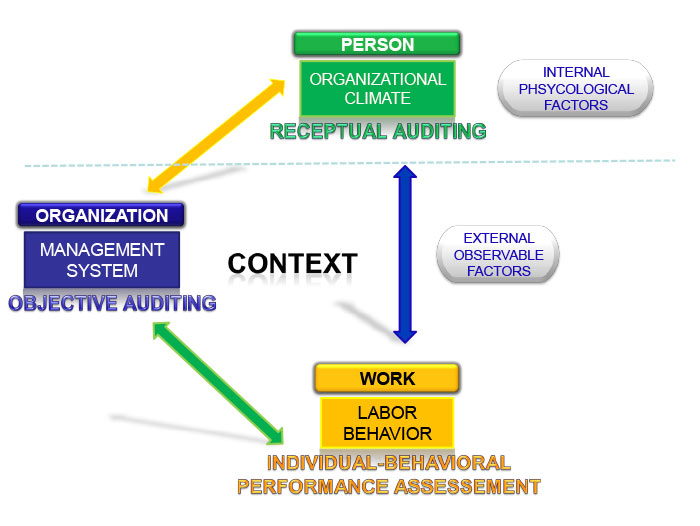
In the assessments, we apply tools developed and trademark registered as CLYMETRIX©, PSYCHOFACTS, which consists on a customized set of organizational attributes to measure safety culture effectiveness. We combine surveys and interviews with physical reviews of documented performance to compare perceptions & attitudes with practice. Based upon these findings, we can develop intervention programs that increase process safety knowledge, attitude and behavior and help build a sustainable safety culture at all levels of an organization.

Climetrix can effectively measure the following dimensions which have been shown to provide the main focus for ascertaining an organization's current safety climate. Each of these is clearly related to an effective safety culture.
- Management Commitment
- Management Actions
- Personal commitment to safety
- Perceived risk levels
- The effects of the required work pace
- Beliefs about accident causation
- The effects of job induced stress
- The effectiveness of safety communications within the organization
- The effectiveness of emergency procedures
- The importance of safety training
- The status of safety people & safety committees within an organization
- The effectiveness of Standard Operating Procedures
- Responses to Breaches of Standard Operating Procedures (SOP’s);
- Housekeeping
- Job Design Changes related to Multi-Skilling
- Job Design Changes related to Manual Handling
- Role Ambiguity in light of Organizational Changes
- Perceptions about working under adverse market conditions
- The effects of reductions in manning levels
- Personnel’s commitment to the organization
- The Effects of Quality Issues on Safety
- Permit to Work Systems
- Accident / near-miss reporting systems